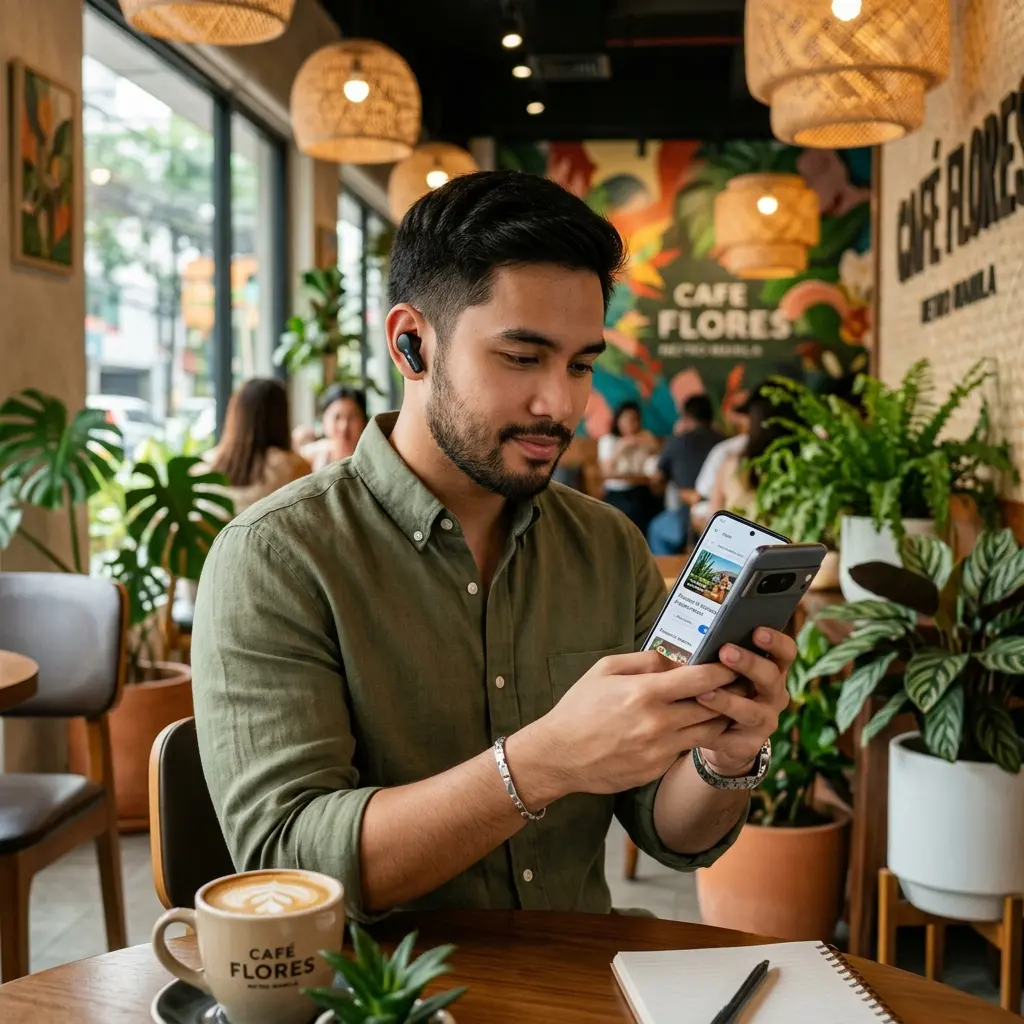
If you grew up in a Filipino household, there is a sound that is as familiar as the sizzle of garlic in a morning frying pan or the distant crow of a rooster. It’s the distinct, slightly staticky sound of the radio dial being turned—the rapid succession of voices, music, and static as someone searches for the perfect station. We call this habit “lipat-lipat,” the art of channel surfing. It is a universal experience, a collective memory etched into the Filipino consciousness, a ritual performed in jeepneys, sari-sari stores, and living rooms across the archipelago.
But what happens after the dial stops? What makes a Filipino listener decide to stay? In an age of endless digital options, understanding the evolution of our listening habits reveals much about our culture. From the chaotic charm of “lipat-lipat” to the enduring loyalty of the “tambayan,” the journey of the Filipino radio listener is a fascinating study in connection, community, and the timeless appeal of a shared experience.
The Art of “Lipat-Lipat”: Why We Channel Surf
The habit of “lipat-lipat” wasn’t born out of mere boredom; it was born out of a desire for connection and mood-matching. In the golden age of AM and FM radio, the airwaves were crowded with competing voices. There were the booming baritones of news anchors, the rapid-fire jokes of morning DJs, and the syrupy sweet tones of late-night love advisors.
When a Filipino listener turns the dial or, nowadays, taps the screen to switch streams, they are usually looking for one of three things:
- The Perfect Song: Music is deeply emotional for Filipinos. We have songs for every mood—sawi (heartbroken), in-love, or just needing some background noise for doing household chores (the ubiquitous “general cleaning” playlist). If the current song doesn’t fit the vibe, we move on.
- The Right Voice: Often, it’s not about what is being played, but who is speaking. A trusted DJ becomes a virtual companion. If the voice on the air is grating or unfamiliar, the listener is quick to hit “next.”
- The Search for Community: We tune in to hear people like us. Whether it’s a discussion about local politics, a hilarious debate about relationships, or just a shout-out to someone’s hometown, we seek reflections of our own lives.
In recent years, analytics and data have shown a modern equivalent to “lipat-lipat.” Digital platforms record this as short “heartbeats” or quick sessions. Listeners hop from one online station to another, testing the waters. But while the medium has changed from analog dials to digital clicks, the underlying psychology remains the same. We are all just looking for a place to belong.
The Magic of the “Tambayan”
So, how do stations combat the “lipat-lipat” impulse? The answer lies in a uniquely Filipino concept: the tambayan.
A tambayan is a hangout spot. It could be the corner store (sari-sari store), the waiting shed, or the neighborhood basketball court. It is a place where there are no strict rules, where you can just be yourself, share a laugh, and listen to the latest gossip. The most successful Filipino radio stations have managed to recreate this physical space in the virtual world.
When a radio station successfully establishes a tambayan atmosphere, magic happens. The listener stops surfing. They put down the remote or close the tab, and they settle in. Here’s how this transformation occurs:
The Virtual Living Room
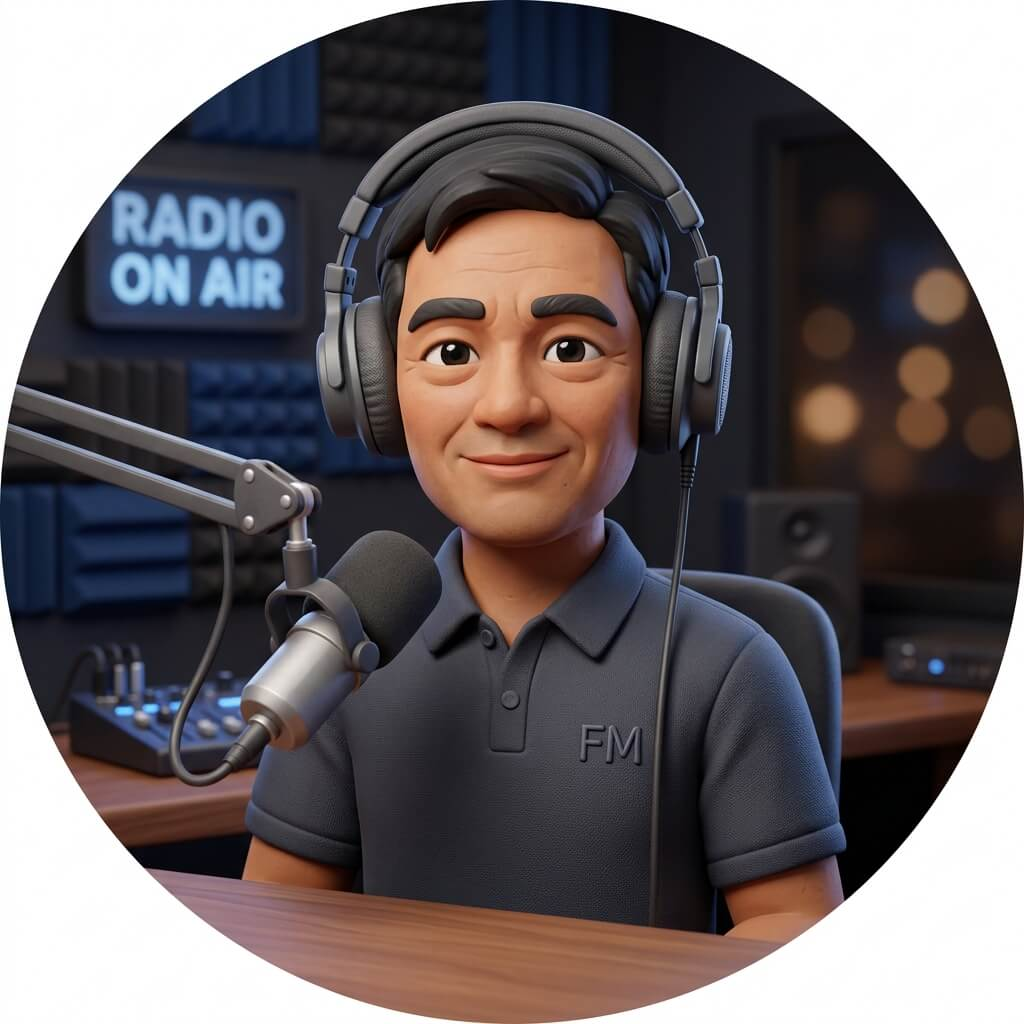
Great DJs don’t just broadcast; they converse. They speak directly to the listener as if they were sitting across the table sharing a cup of hot pan de sal and kape. They use familiar language, mixing Tagalog, English, and regional dialects seamlessly. This breaks down the wall between the broadcaster and the audience. When you feel like you’re part of the conversation, you don’t want to leave.
The Power of the “Bati” (Shout-out)
Never underestimate the power of a simple greeting. The “bating station” phenomenon is a cornerstone of Filipino radio. Hearing your name, or the name of your loved one, broadcast over the airwaves provides an immense sense of validation and thrill. For Overseas Filipino Workers (OFWs), hearing a shout-out from their hometown is a lifeline, a sudden burst of home that makes the distance feel a little less agonizing. It builds incredible loyalty. If you know your favorite DJ might read your text message, you stay tuned.
Shared Emotional Experiences
Filipinos are notoriously empathetic. We love to share in each other’s joys and sorrows. Radio dramas, love advice segments, and even intense news discussions create shared emotional experiences. When a listener calls in to share a problem, thousands of other listeners are mentally offering advice or sympathizing. This shared journey binds the audience together, turning disparate individuals into a cohesive community.
The Soundtrack of Our Lives: The Evolution of OPM
You cannot discuss Filipino radio habits without discussing Original Pilipino Music (OPM). The relationship between radio and OPM is symbiotic. Radio stations are the lifeblood of local artists, and local music is the beating heart of the radio station.
In the 70s and 80s, the “Manila Sound” dominated the airwaves. Songs by VST & Co., Hotdog, and APO Hiking Society became the anthems of a generation. When listeners tuned in, they were looking for those familiar, groovy basslines and relatable lyrics. During this era, “lipat-lipat” was often a quest to find the latest hit by Gary V or Martin Nievera.
As we moved into the 90s and 2000s, the band explosion changed the landscape. Eraserheads, Rivermaya, and Parokya ni Edgar introduced a grittier, more alternative sound. Radio stations had to adapt, and listeners began segmenting themselves based on musical tribes. The tambayan became more specialized. You had your rock stations, your pop stations, and your classic hits stations.
Today, the OPM scene is more diverse than ever, blending traditional Filipino elements with hip-hop, R&B, and electronic music. The modern Filipino listener is eclectic. They might enjoy a heartfelt ballad by Moira Dela Torre one moment and an upbeat track by SB19 the next. This diversity makes the job of a radio station even more complex. How do you keep an eclectic listener from hitting “next”?
The answer, again, returns to the concept of curation and context. A great radio station doesn’t just play songs randomly; it weaves them together into a narrative. A DJ might share the backstory of a song, interview the artist, or relate the lyrics to a current event. By adding this layer of context, the station transforms a simple playlist into a compelling auditory journey. This contextualization is what keeps the modern, musically diverse listener anchored to the station.
Navigating the Digital Shift
The transition from traditional terrestrial radio to online streaming platforms like Pure Pinoy Radio has amplified both the challenges and the opportunities of listener retention.
On one hand, the options are now infinite. A listener is no longer limited by the strength of an FM signal. They can listen to a station from Manila, Cebu, or even a specialized indie station broadcasting from a basement in London. This abundance of choice makes the “lipat-lipat” temptation stronger than ever.
On the other hand, digital platforms offer unprecedented tools for building community. Social media integrations allow listeners to chat with each other in real-time. High-quality streaming ensures that the music sounds better than ever. And platforms can now offer diverse programming that caters to very specific tastes, ensuring that every listener can find their perfect niche.
The Role of Technology in Fostering Loyalty
Modern streaming technology doesn’t just deliver audio; it delivers an experience. Features like seamless playback, rich metadata (showing what song is currently playing), and interactive chat rooms keep listeners engaged. When the technical barriers are removed—when the stream doesn’t buffer and the audio is crystal clear—the listener can fully immerse themselves in the content.
This is where the true value of premium platforms shines. By providing a flawless listening experience, they allow the tambayan to flourish without interruption.
The OFW Connection: A Lifeline to Home
To fully understand the evolution of Filipino radio habits, we must look at the OFW experience. For millions of Filipinos working abroad, radio is not just entertainment; it is an essential tether to their homeland.
For an OFW in the Middle East, a nurse in the UK, or a seafarer in the middle of the ocean, the familiar cadence of a Filipino DJ’s voice is a powerful antidote to homesickness. They aren’t just listening for the music; they are listening for the ambient noise of home. They want to hear the latest slang, the current jokes, and the general vibe of the Philippines.
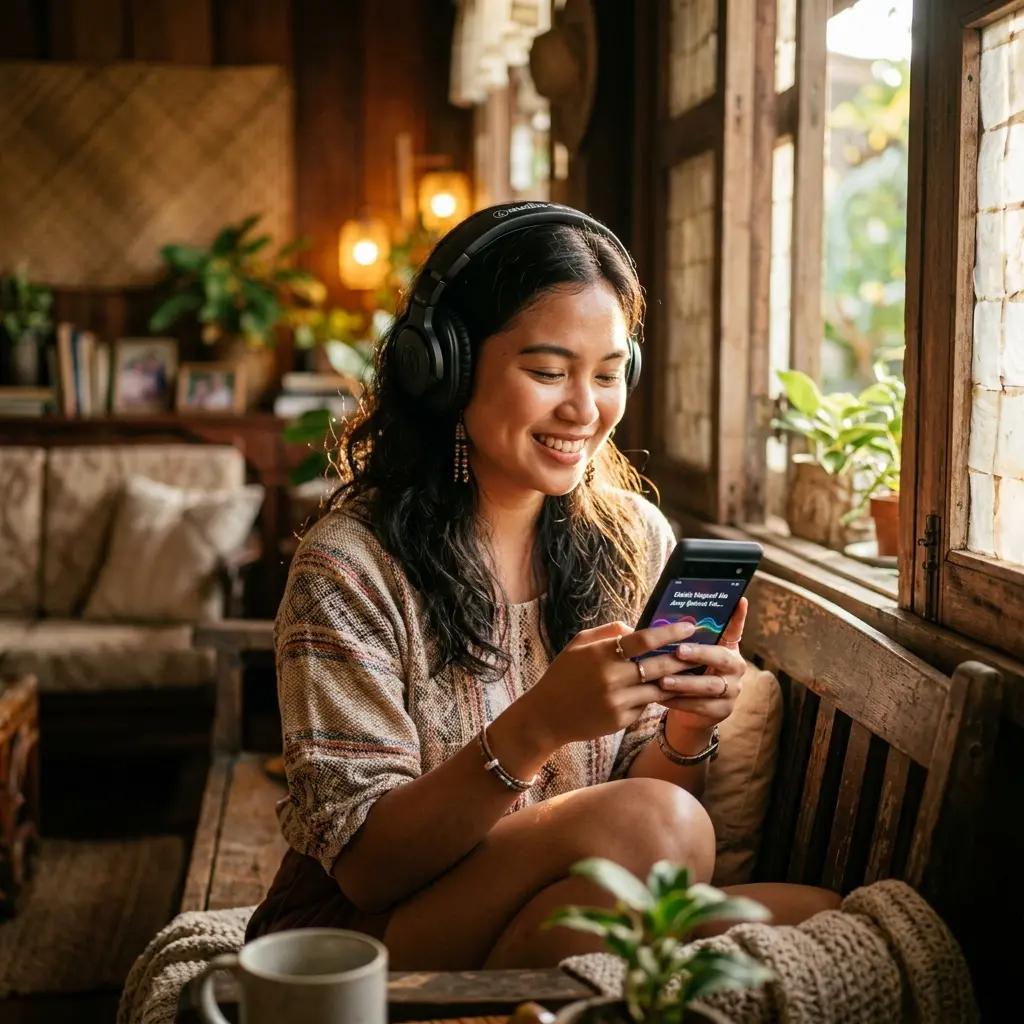
For these listeners, “lipat-lipat” is a luxury they often indulge in until they find the station that sounds the most like their own living room. Once they find it, they become the most loyal listeners of all. They will keep the stream running for hours, letting the sounds of the Philippines wash over them as they work, clean, or rest.
This deep, emotional connection is what elevates Filipino radio from a simple broadcasting medium to a vital cultural institution. It is a testament to the resilience of our culture and our unending need to connect with one another, no matter the distance.
Building the Ultimate Digital Tambayan
Creating a loyal listener base in today’s fast-paced digital environment requires more than just playing good music. It requires an understanding of the Filipino soul. It requires a commitment to building a space where everyone feels welcome, heard, and valued.
Stations must focus on:
- Authenticity: Listeners can spot a fake persona a mile away. DJs must be genuine, relatable, and deeply connected to the culture.
- Interactivity: Creating multiple touchpoints for listeners to engage—through text, social media, or live calls—turns passive listening into active participation.
- Consistency: The tambayan must always be open. Consistent programming and reliable streaming ensure that the listener always has a place to go.
The journey from casual channel surfer to loyal fan is paved with moments of connection. It’s the moment a song perfectly captures your mood. It’s the moment a DJ makes you laugh out loud on a crowded train. It’s the moment you hear your hometown mentioned on the air.
The Future of Listening
As technology continues to evolve, so too will our listening habits. We may see more personalized streams, AI-driven recommendations, and immersive audio experiences. But the core desire—the need for a tambayan—will never change.
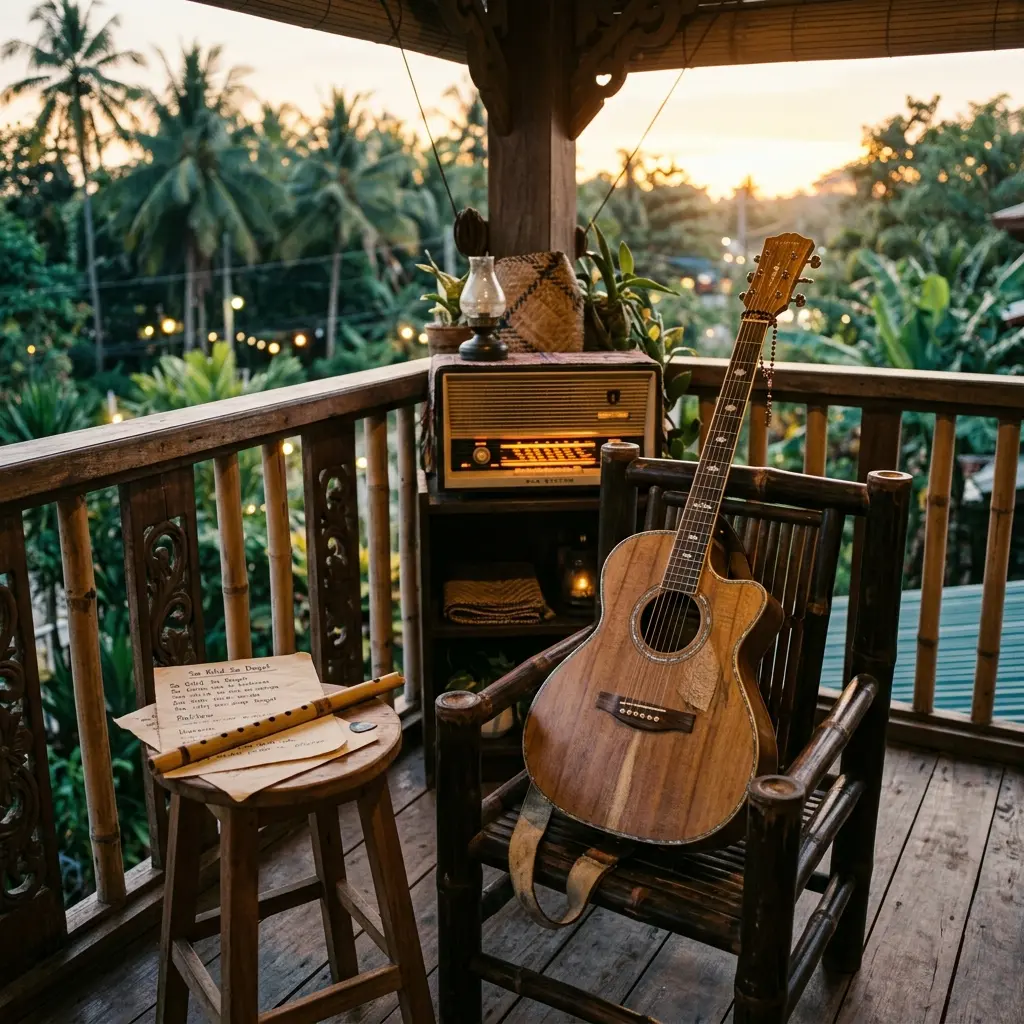
Filipinos will always seek out spaces where they can laugh, cry, and share their lives with others. Whether it’s through a vintage transistor radio or a state-of-the-art streaming app, the magic of radio lies in its ability to bring us together.
The next time you catch yourself doing the “lipat-lipat,” pay attention to what finally makes you stop. Chances are, you haven’t just found a good song; you’ve found a place where you belong.
Embrace the tambayan culture. Let the voices on the airwaves become your companions. And remember that every time you tune in, you are participating in a rich, vibrant tradition that connects Filipinos all over the world.
If you are looking for your perfect digital tambayan, a place where the music is always right and the community is always welcoming, look no further. Stay connected with the latest updates, engage with fellow listeners, and find your daily dose of the Filipino spirit.
Join the conversation and become part of our growing community today by visiting the Pure Pinoy Radio Facebook page. Hang out with us, share your stories, and let the music play!