
For many Filipinos, the day does not truly begin with the sunrise, nor does it start with the first sip of hot kape. Instead, the day begins the moment you step out onto the busy streets, wave down a passing jeepney or bus, and hear the familiar, static-laced voices of morning radio DJs echoing from the dashboard. It is a universal experience, an unspoken ritual that unites millions of commuters across the archipelago. The radio is not just an appliance; it is the beating heart of the Filipino commute.
“Ang sarap ng gising”—this is the feeling that morning radio strives to deliver. Whether you are a student rushing to an early class, an office worker bracing for another long shift, or a vendor setting up shop along the sidewalk, the radio serves as your companion. In a country where traffic can be unpredictable and deeply exhausting, the soundtrack of the morning commute offers a rare slice of comfort, entertainment, and shared humanity.
The Jeepney DJ: Masters of the Road
Step inside a traditional passenger jeepney, and you will almost certainly find a stereo system tucked beneath the dashboard or speakers mounted near the roof. The jeepney driver, the undisputed king of the road, is also the impromptu DJ for the next thirty minutes to an hour of your life. Their choice of station dictates the mood of the entire vehicle.
Some drivers prefer the high-energy banter of FM pop stations, where DJs exchange rapid-fire jokes, read out listener messages, and play the latest chart-topping hits. These broadcasts are designed to wake you up, to inject a dose of adrenaline into a sleepy morning. The chaotic, joyful noise of these shows mirrors the bustling energy of the streets outside.
Others lean towards the classic AM radio format—hard-hitting news, impassioned political commentary, and public service announcements. Here, the tone is serious, urgent, and deeply connected to the pulse of the nation. For older commuters, listening to AM radio on the way to work is an essential part of staying informed. The booming voices of veteran broadcasters serve as a powerful reminder of the issues shaping the country.
And then there are the drivers who prefer the soulful, nostalgic melodies of Masa radio. These stations specialize in Original Pilipino Music (OPM) classics, timeless love songs, and the occasional hugot segment where callers share their romantic woes. In the confined space of a jeepney, surrounded by strangers, these emotional songs create a surreal, almost cinematic atmosphere. You find yourself staring out the window, watching the city blur past, while a classic Regine Velasquez or Eraserheads track plays softly in the background. It is an experience that is deeply personal, yet shared by everyone in the vehicle.
The Psychology of Traffic and Music
To understand why radio is so vital to the Filipino commute, one must understand the reality of Metro Manila traffic. Commuting in the Philippines requires immense patience, resilience, and a good sense of humor. When you are stuck in gridlock on EDSA for hours on end, the mind needs an escape. Music and talk radio provide that mental sanctuary.
Psychologically, music has the power to alter our perception of time and space. A long, grueling journey feels significantly shorter when you are deeply engaged in a story or tapping your foot to a familiar beat. Radio DJs understand this intimately. They are trained to speak directly to the commuter, offering words of encouragement, traffic updates, and relatable anecdotes that make the listener feel seen and understood.
“Pila na naman ba sa MRT? Kalma lang, mga idol, narito kami para samahan kayo.” (Stuck in line at the MRT again? Stay calm, idols, we are here to keep you company.)
This type of direct address breaks down the barrier between the broadcaster and the listener. The DJ becomes a friend sitting in the passenger seat, sharing a joke to lighten the mood. This parasocial relationship is the secret weapon of Philippine radio. In a chaotic urban environment, the steady, reliable presence of a favorite DJ offers a sense of stability and routine.
Furthermore, the communal aspect of radio cannot be overstated. Unlike streaming a personal playlist through headphones, listening to the radio in a public utility vehicle is a collective experience. When a funny segment airs, you might catch the eye of the person sitting across from you, sharing a brief, knowing smile. When a classic rock anthem plays, you can feel the collective energy in the bus shift. The radio creates micro-communities out of strangers, united simply by the fact that they are all traveling in the same direction, listening to the same frequency.
The Evolution of the Soundtrack: From Transistor to Digital
Historically, the connection between Filipinos and radio runs deep. In the provinces, battery-operated transistor radios were often the only connection to the outside world, delivering news, soap operas (dramas), and music to remote barangays. As people migrated to the cities for work, they brought this deep-seated love for radio with them, integrating it into their new urban lifestyles.
Today, the technology has evolved, but the spirit remains the same. The bulky transistor radios of the past have been replaced by sleek dashboard touchscreens and smartphones. Yet, the desire for that curated, live experience has not faded. Even with the rise of on-demand music streaming services, millions of Filipinos still choose to tune in to live radio broadcasts every single day.
Why? Because algorithmic playlists lack the human touch. An algorithm cannot tell you that it’s raining in Quezon City, nor can it crack a spontaneous joke about the rising price of gasoline. Radio is alive; it happens in real-time, breathing and reacting to the world exactly as the listener does. It is this immediacy, this shared reality, that makes radio irreplaceable.
Reconnecting with Home from Anywhere
But what happens to the Filipino commuter when they are no longer in the Philippines? For the millions of Overseas Filipino Workers (OFWs) and expatriates scattered across the globe, the daily commute looks very different. Instead of a colorful jeepney or a crowded LRT train, they might be riding the subway in New York, a bus in London, or driving across the deserts of the Middle East.
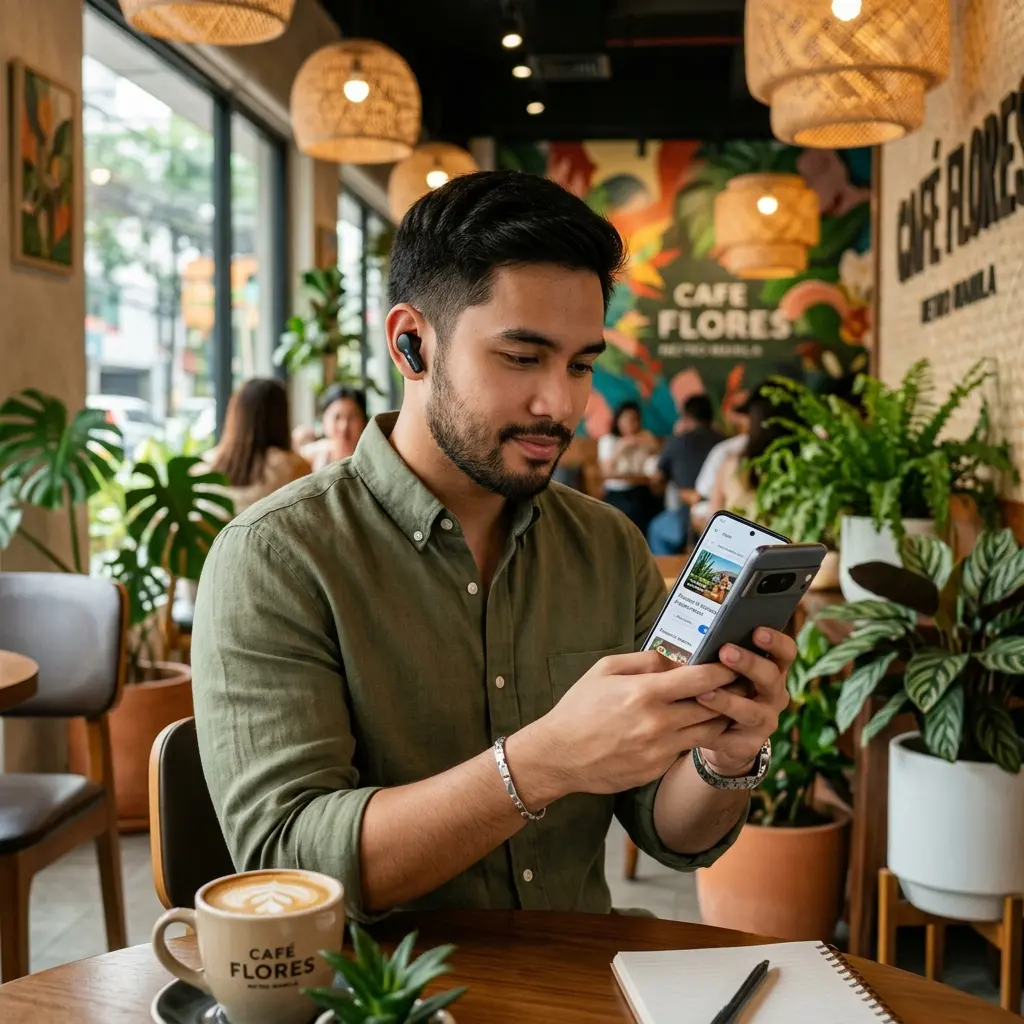
Despite the distance, the desire for that familiar morning soundtrack remains just as strong. Hearing the Tagalog banter, the local news updates, and the latest OPM hits is a powerful remedy for homesickness. It transports them back to the bustling streets of Manila, Cebu, or Davao, if only for a few hours.
This is where the true power of the internet shines. With platforms like Pure Pinoy Radio, distance is no longer a barrier. Pure Pinoy Radio bridges the gap, allowing Filipinos anywhere in the world to tune into their favorite local stations with just a single click. Whether you want to listen to the energetic morning shows of Metro Manila, the regional broadcasts of the Visayas, or the news updates from Mindanao, it is all available in one convenient, free-to-use platform.
By bringing over 500+ Philippine radio stations online, Pure Pinoy Radio ensures that the soundtrack of the Filipino commute is never lost, no matter where your journey takes you. You can recreate that feeling of “Biyaheng Langit” on a train in Tokyo or a bus in Toronto. The voices that guided you through EDSA traffic can now guide you through the snow, the rain, or the sunshine of your new home.
The Future of the Pinoy Commute
As transportation systems in the Philippines continue to modernize, with new trains, improved buses, and the phasing out of traditional jeepneys, the physical landscape of the commute is changing. But the soul of the journey remains deeply intertwined with audio.
The future of radio in the Philippines is not about replacing the old with the new, but rather expanding access. Digital platforms and web aggregators are ensuring that radio stations are not limited by signal strength or geographical boundaries. A listener in Batanes can tune into a station in Zamboanga, and a nurse in California can start her shift listening to the exact same broadcast as her family in Pampanga.
This digital transformation guarantees that the art of the radio DJ, the cultural significance of the Masa format, and the comforting presence of live broadcasting will continue to thrive for generations to come. The medium may shift from airwaves to data streams, but the message—the connection, the entertainment, the shared experience—will endure.
Conclusion
The daily commute is often seen as a necessary evil, a gap between where we are and where we need to be. But in the Philippines, radio transforms this gap into a cultural touchstone. It turns a crowded, sweaty jeepney ride into a shared listening party. It turns a stressful traffic jam into a moment of reflection or laughter.
The next time you find yourself stuck in transit, whether you are traversing the chaotic avenues of Metro Manila or navigating the public transport system of a foreign city, take a moment to tune in. Let the familiar voices, the classic OPM tracks, and the vibrant energy of Philippine radio wash over you. It is more than just background noise; it is the soundtrack of our resilience, our joy, and our shared journey.
For the ultimate listening experience, make sure to explore the vast collection of stations available on Pure Pinoy Radio. Let us keep the spirit of the Pinoy commute alive, wherever we are in the world.
Stay connected with the community and discover more about your favorite stations! Like and follow us on our official Facebook page: https://www.facebook.com/purepinoyradio/