If you were to completely strip a radio station down to its barest, most fundamental technical components, all you would be left with is a transmitter, a soundboard, and a hard drive full of MP3s. In today’s highly advanced digital age, anybody with a smartphone can instantly generate an endless, perfectly curated playlist of music perfectly tailored to their exact tastes. Spotify, Apple Music, and YouTube rely on highly complex, multibillion-dollar algorithms to predict exactly what song you want to hear next.
And yet, despite the overwhelming convenience of these massive, global digital platforms, millions of Filipinos continue to tune their FM dials and open their digital radio apps every single day. Why? Because a playlist, no matter how brilliantly generated by an algorithm, is inherently sterile. It lacks a heartbeat. It cannot laugh, it cannot cry, and it cannot tell you a joke while you are stuck in horrendous traffic on EDSA.
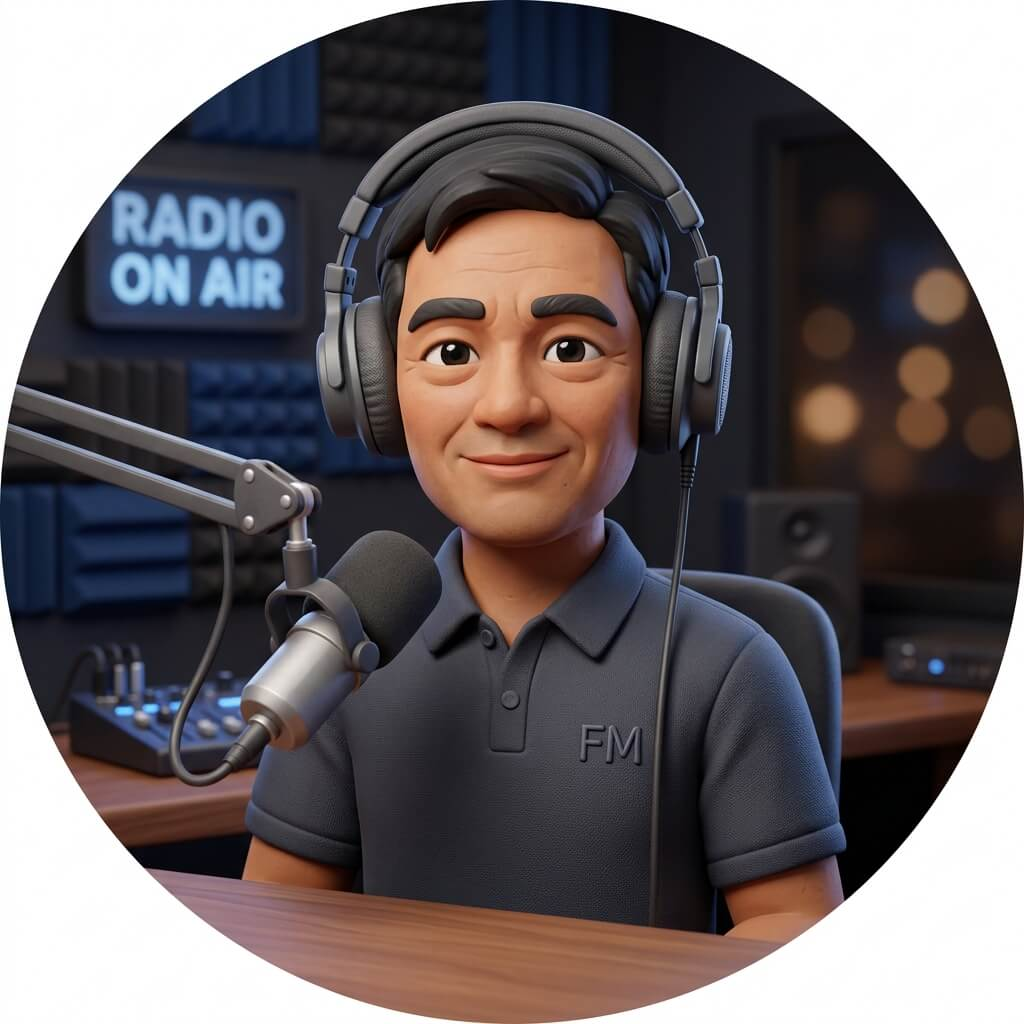
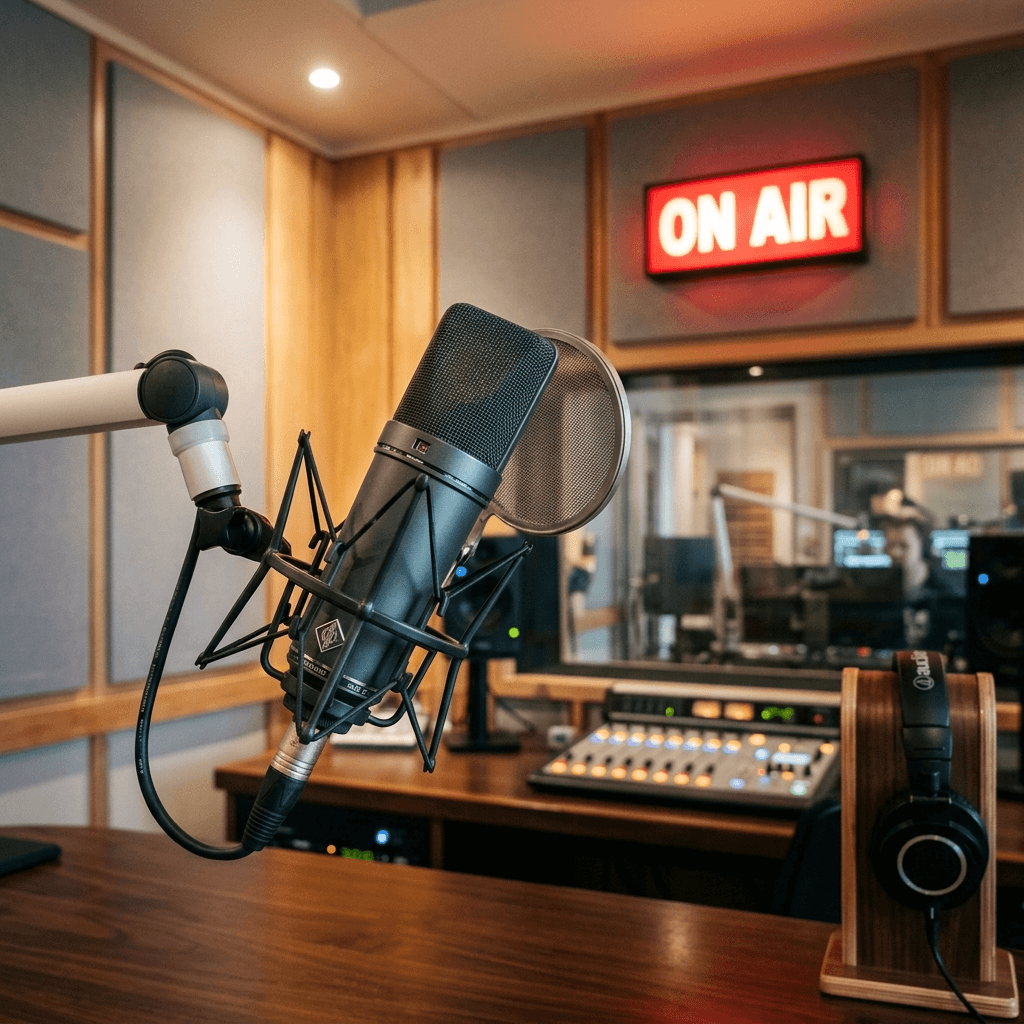
In the vibrant, chaotic world of Philippine broadcasting, a radio station is truly only as good as its voices. While the catchy music might initially draw a listener in, it is the Radio DJ—the person sitting behind the heavy soundproof glass, talking into the microphone—who keeps them coming back day after day, year after year. The DJ is the undisputed, irreplaceable soul of the airwaves. Let us dive deep into the unique art of radio broadcasting in the Philippines, and explore why the relationship between the DJ and the listener is so incredibly powerful.
The “Kabarkada” Culture: Building Immediate Intimacy
To understand the immense power of the Filipino Radio DJ, you must first understand the concept of kapwa (shared identity) and kabarkada (friendship group). In Western radio markets, DJs often adopt a highly professional, slick, and somewhat detached persona. They are announcers. In the Philippines, however, the approach is radically different.
From the very first moment a Philippine DJ cracks the microphone, their primary goal is to establish immediate, deep, and undeniable intimacy with the listener. They do not want to be viewed as a celebrity or a distant announcer; they want to be viewed as your close friend, your older sibling, or your trusted confidant.
This is exactly why almost every major radio DJ in the country adopts a deeply familiar, familial title. You will rarely hear a DJ introduce themselves simply by their first name. Instead, you hear the airwaves flooded with names like Papa Jack, Kuya Chico, Mama Emma, Tito Mike, or Bes (best friend). By using these familial titles, the DJ instantly breaks down the invisible barrier between the broadcasting booth and the listener’s living room. When “Papa” or “Bes” tells you a story or gives you advice, it does not feel like a broadcast; it feels like a private, intimate conversation happening over a cup of coffee at your kitchen table.
Masters of the Morning: The Chaos and Comedy of the AM/FM Rush
The role and the required skill set of a radio DJ shift dramatically depending on the time of day. The most highly contested, fiercely competitive time slot in Philippine radio is the “Morning Rush” (typically from 6:00 AM to 10:00 AM).
During these crucial hours, millions of Filipinos are groggily waking up, preparing their children for school, and mentally preparing themselves to face the grueling, exhausting reality of the Metro Manila commute. The listeners are stressed, tired, and irritable.
The Morning DJ is tasked with the incredibly difficult job of being the nation’s collective cup of coffee. They must possess boundless, infectious energy. The art of the morning show is heavily rooted in rapid-fire improvisational comedy. Legendary duos like Chico and Delamar from the iconic Morning Rush program proved that the best morning radio is highly unscripted. It relies on brilliant chemistry, the ability to instantly bounce jokes off a co-host, and the talent to take a mundane piece of daily news and spin it into a hilarious, 15-minute comedic segment.
These DJs have to be incredibly sharp, constantly reading the mood of the nation. They provide live traffic updates, read hilarious, relatable text messages sent in by listeners stuck on the MRT, and play upbeat, high-energy music. Their ultimate goal is to distract the listener from the physical misery of the commute and ensure they arrive at their office or school with a smile on their face. It is an exhausting, high-wire comedic act that requires immense natural talent and impeccable timing.
The Midnight Therapists: The Art of the Confessional
As the sun sets and the chaotic energy of the daytime fades away, the art of the radio DJ completely transforms. The hyper-energetic, fast-talking comedy of the morning is replaced by the low, slow, and soothing baritone voices of the late-night broadcasters.
In the Philippines, midnight radio is synonymous with love advice and deep emotional confessions. During these late-night segments, the DJ takes on the incredibly heavy role of an amateur therapist and a nationwide counselor. Listeners call in live on the air to share deeply personal, often highly traumatic stories about broken marriages, infidelity, severe financial struggles, and profound loneliness.
The art of the late-night DJ is entirely rooted in radical empathy and active listening. They cannot rely on funny sound effects or upbeat pop songs. They must carefully, patiently listen to the caller, navigating complex emotional minefields live on the air without a script. The best late-night DJs know exactly when to offer a comforting word, when to deliver harsh but necessary “tough love,” and exactly which heartbreaking OPM ballad to play right after the caller hangs up to maximize the emotional impact. They provide a safe, anonymous space for a society that often struggles to talk openly about mental health and emotional vulnerability.
The Evolution of the DJ: From Disembodied Voice to Multimedia Influencer
For decades, the radio DJ possessed a highly unique mystique. Because there were no cameras in the booth, the listener could only imagine what the person behind the voice looked like. The DJ was a completely disembodied, almost magical entity.
The rapid rise of digital media, social media, and the “Teleradyo” (visual radio) format has completely shattered that mystique, fundamentally changing the job description of the modern broadcaster. Today’s radio DJ can no longer simply sit behind a microphone in sweatpants and a t-shirt. They are now highly visible, multimedia influencers.
Booths are equipped with high-definition cameras streaming live to Facebook and YouTube. DJs are required to be visually engaging, heavily interacting with live chat boxes while simultaneously managing their audio levels and reading commercial scripts. Furthermore, when they step out of the booth, their job is not over. They are expected to maintain massive, highly active social media followings, participating in viral TikTok dance challenges, recording behind-the-scenes vlogs, and endorsing products on Instagram.
The modern Philippine radio DJ must be a master of all trades: an audio broadcaster, a visual entertainer, a social media manager, and a brand ambassador. Despite this massive increase in responsibilities, the absolute best DJs never lose sight of their core mission: maintaining that authentic, one-on-one connection with the listener.
The OFW Lifeline: A Voice from Home
Finally, it is impossible to discuss the art of the Filipino radio DJ without mentioning their profound impact on the Overseas Filipino Worker (OFW) community. For the millions of Filipinos living abroad, the voice of a local Manila or provincial DJ is incredibly precious.
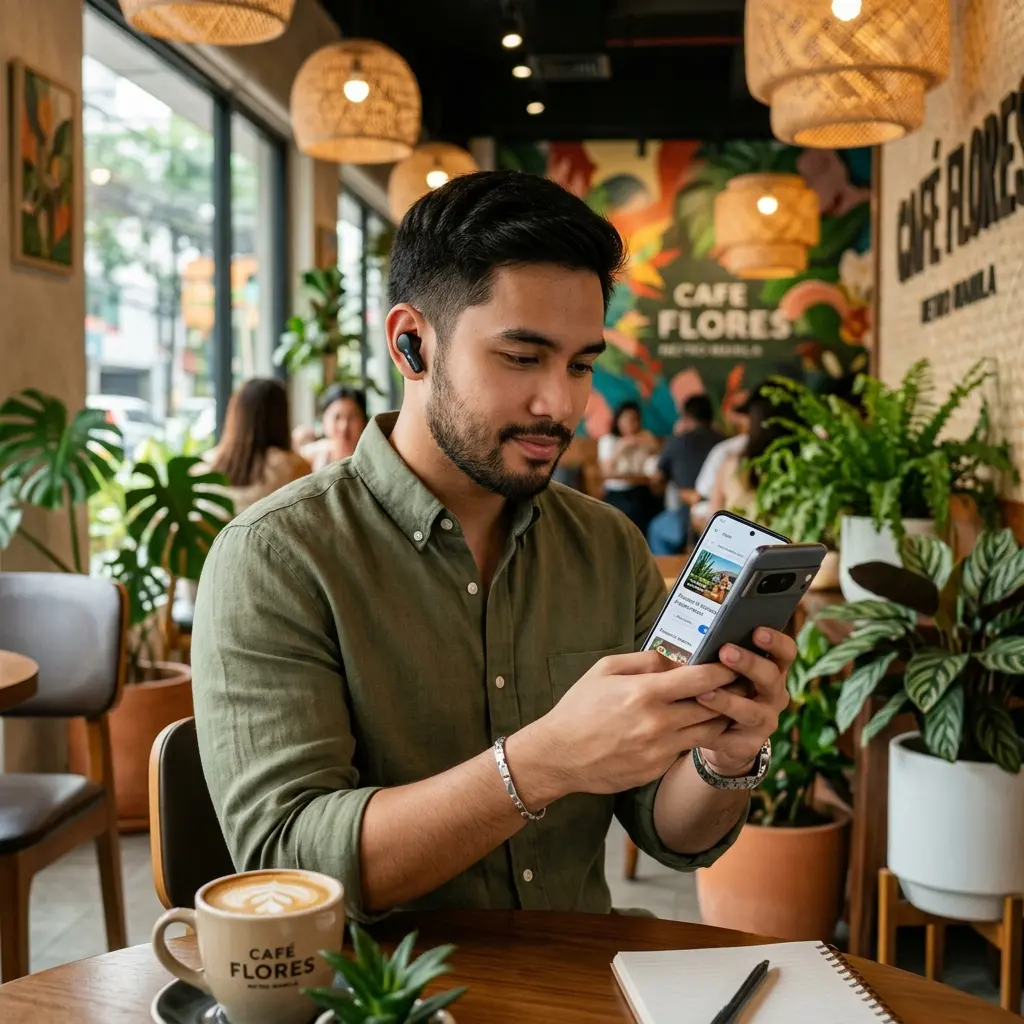
When an OFW tunes into a digital stream on an app like Pure Pinoy Radio, they are not just listening for the music. They are desperately listening for the voice of the DJ. Hearing a DJ speak in their native dialect (whether that is Tagalog, Cebuano, or Ilocano), hearing them crack culturally specific jokes, and hearing them talk about the local weather or traffic provides an immense, immediate cure for homesickness.
The DJ becomes a trusted, familiar friend from back home, keeping the OFW grounded and connected to the culture they left behind. When a DJ takes the time to read a text message from a listener in Dubai or a shoutout from a nurse in London, it acknowledges their sacrifice and bridges the thousands of miles of physical separation.
Conclusion: The Heartbeat of the Airwaves
As technology continues to advance, the way we consume audio will undoubtedly continue to change. Artificial intelligence can now generate remarkably human-sounding voices, and algorithms will only get better at predicting our musical tastes.
But what an algorithm will never be able to do is share a genuine, spontaneous laugh. It cannot offer sincere, heartfelt advice to a crying caller at two in the morning. It cannot make you feel like you are sitting in the same room as a close friend.
The true art of the radio DJ lies in their messy, beautiful, undeniable humanity. They are the curators of the Filipino experience, selecting the songs and saying the exact words that define our days. The next time you tune into your favorite station on Pure Pinoy Radio, whether you are driving to work in Manila or riding the subway in New York, take a moment to truly appreciate the incredibly talented, hardworking person sitting behind that microphone. They are not just an announcer; they are the true, irreplaceable heartbeat of the Philippine airwaves.