“Dear DJ, please hide my identity under the name of…”
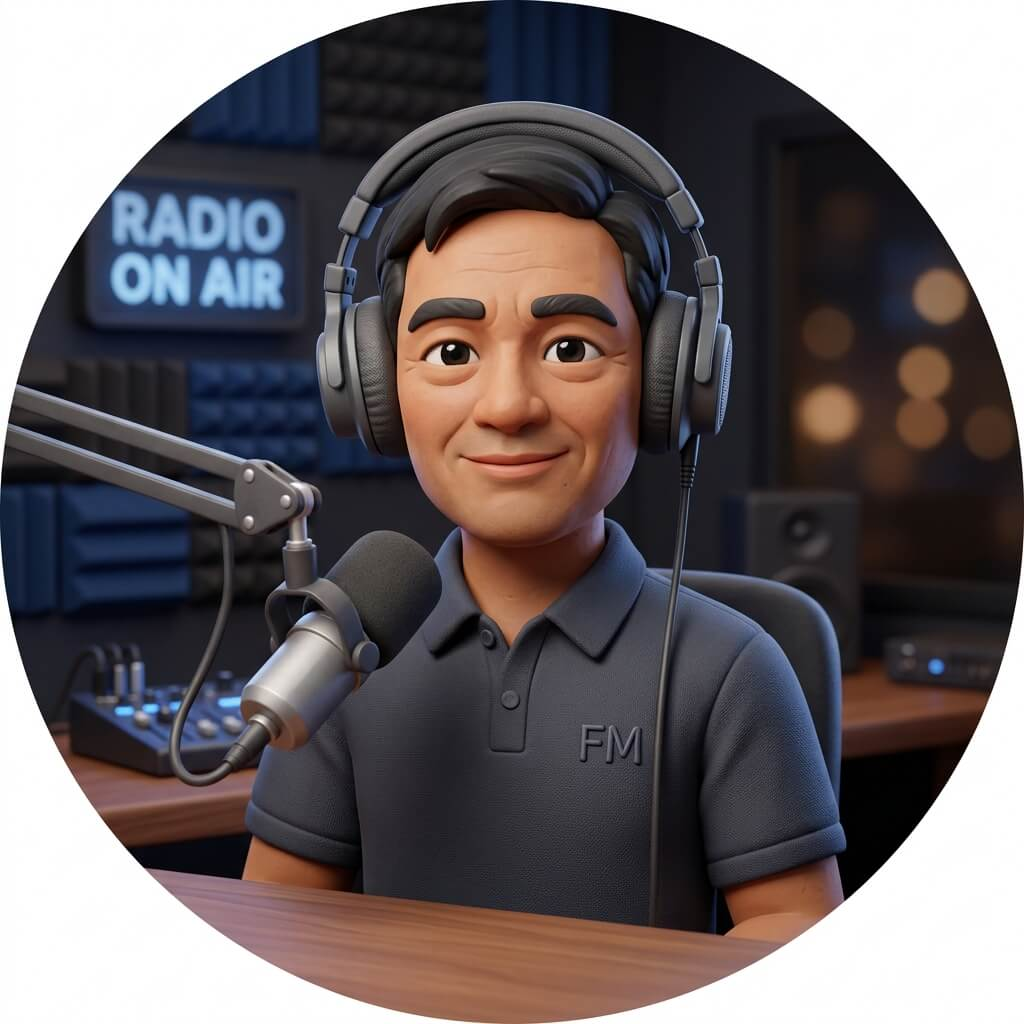
If you have ever heard this familiar line while riding a jeepney home, cooking dinner, or fighting off sleep in the quiet hours of the night, you know the hypnotic pull of late-night radio confessions. The ambient noise suddenly fades, the background music softens, and the low, soothing voice of a radio DJ takes center stage. What follows is a raw, emotional confession from an anonymous caller detailing their struggles with fading love, secret relationships, or the painful reality of being a “second option.”
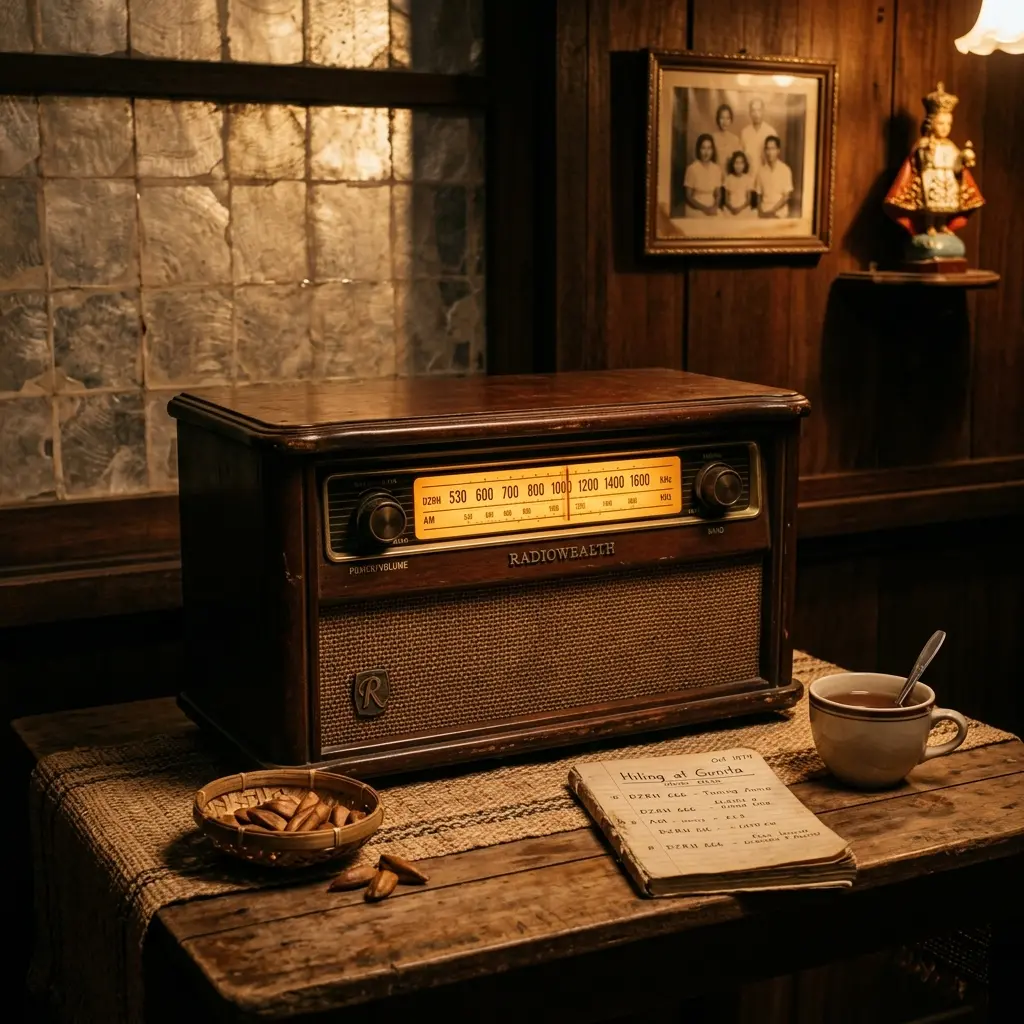
In the Philippines, the radio has never been just a source of news and music. It has served as the nation’s confession booth, an accessible counseling session, and the ultimate soundtrack to our heartbreaks. From the poetic reflections of Joe D’ Mango in the 90s to the direct and humorous “tough love” of Papa Jack in the 2010s (and today, hosts like Papa Dudut on Barangay Love Stories), late-night love counselors have shaped the romantic sensibilities of generations.
But why are Filipinos—a people globally renowned for their smiles, resilience, and happy-go-lucky nature—so deeply obsessed with listening to other people’s relationship problems? Why does our rest feel more complete when accompanied by stories of romantic failure? In this article, we dive deep into the psychology, history, and modern digital evolution of late-night love advice shows, and how they remain vibrant in the internet era through platforms like Pure Pinoy Radio.
The Psychology of Shared Heartbreak: Why We Tune In
There is undeniably a voyeuristic element to listening to love advice shows. It feels like eavesdropping on a private conversation, learning secrets that callers would never share even with their closest friends. However, the connection between Filipino listeners and these programs goes much deeper than simple curiosity. It is rooted in several psychological and cultural factors:
1. The Power of “Shared Humanity” (Hindi Ka Nag-iisa)
When we hear a caller break down in tears over a partner’s infidelity, a part of our brain immediately connects it to our own past experiences of rejection. This is what psychologists refer to as empathetic resonance. By hearing someone else’s pain, we feel that our own emotions are validated. If a complete stranger is going through the exact same struggle, it means we are not alone. In a society that often encourages us to be strong and hide our vulnerabilities (magpakatatag), late-night radio provides a rare, safe space to feel fragile, even if just for an hour.
2. Emotional Distancing and Safe Catharsis
Listening to other people’s struggles allows us to experience intense emotions—such as sadness, anger, and empathy—without any real-world risk to our own lives. We can cry along with the caller without dealing with the actual consequences of a broken relationship. This functions as a form of “safe catharsis.” Once the segment ends, we can turn off the player and return to our stable lives, carrying a sense of emotional relief because we were able to release pent-up feelings through someone else’s story.
3. Proxy Learning: Learning from Others’ Mistakes
How many times have you found yourself shouting at the radio while listening to an overly patient caller forgive a serial cheater? “Gising, teh! Iwanan mo na yan!” (Wake up, sister! Leave them already!). Listening to a DJ analyze a caller’s situation acts as a guide for our own relationships. Through the trials and errors of others, we learn to establish boundaries, identify red flags, and navigate complex emotional situations without having to suffer the direct consequences ourselves.
From Classic to Modern: The Pillars of Pinoy Radio Advice
To truly appreciate this culture, we must look back at the iconic figures who defined the art of radio counseling in the Philippines. While their approaches differed wildly, their mission remained the same: to act as a beacon of light in the messy world of romance.
| Era / DJ | Show / Segment | Counseling Style | Key Characteristic |
|---|---|---|---|
| Joe D’ Mango (90s - 2000s) | Love Notes | Poetic, philosophical, gentle-voiced, soft piano background. | Focused on the art of forgiveness and the deeper meaning of love. |
| Papa Jack (2000s - 2010s) | True Love Conversations (TLC) | Direct, blunt, humorous, interactive sound effects, “tough love.” | Unafraid to call out the caller’s foolishness; acted like a brutally honest friend. |
| Barangay Love Stories (Modern) | Barangay Love Stories | Dramatized letter reading, voice actors, immersive sound effects. | Closer to traditional radio drama; focuses on the theatrical re-enactment of letters. |
| Dr. Love / Papa Dudut | Dr. Love Radio Show | Compassionate, moral and spiritual guidance, highly patient listening. | Offers advice anchored in family values, morality, and traditional respect. |
Joe D’ Mango: The Poet of Broken Hearts
During the 1990s, long before the advent of social media, Filipino nights belonged to Joe D’ Mango’s Love Notes. His style was akin to a late-night poetry reading. Blessed with a smooth, low-register voice, he spoke slowly and deliberately, accompanied by a gentle piano track. His advice was philosophical, filled with poetic metaphors. He didn’t just give quick answers; he helped callers find beauty and meaning within their pain. Joe D’ Mango proved that radio counseling could be an elevated form of emotional healing.
Papa Jack: The “Tough Love” Reality Check
As the 2000s rolled in, bringing along the call center boom, instant messaging, and a faster pace of life, the audience’s preferences shifted. This paved the way for Papa Jack’s True Love Conversations (TLC). In stark contrast to the poetic approach of the 90s, Papa Jack was blunt, sarcastic, and direct. If a caller was acting foolishly (tanga sa pag-ibig), he would call them out immediately. He famously used sound effects of slaps or laughter to snap callers out of their denial. While his words could be sharp, it was exactly what a younger generation craved—a friend who would tell them the hard truth they were avoiding.
Barangay Love Stories: The Audio Cinema
In the modern era, radio confessions have evolved beyond simple phone calls. Programs like Barangay Love Stories, hosted by Papa Dudut, have revitalized traditional radio by introducing full dramatization. Listeners send in letters detailing their life stories, which are then re-enacted by professional voice actors, complete with sound effects like rain, footsteps, and emotional OPM hits. The confession becomes a mini-movie for the ears, keeping market vendors, drivers, and office employees hooked every Sunday afternoon.
The Anatomy of a Radio Confession: Why Open Up to a Stranger?
Why do people choose to share their most intimate secrets with a DJ they have never met, knowing that millions of people are tuned in? Why is it easier to cry in front of a microphone than in front of friends or family?
The Shield of Anonymity When calling a radio station, you are encouraged to use a pseudonym. You can be “Jenny from Pasay” or “Mike from Cavite.” This anonymity provides a shield against societal judgment. No one will recognize you on the street the next day, and your family or coworkers will remain none the wiser. The microphone acts as a barrier, allowing you to pour your heart out without fear of real-life embarrassment.
The Non-Judgmental Space In daily life, sharing a personal problem with friends or family often comes with bias. They might get angry at your partner, judge your choices, or offer advice filtered through their personal relationship with you. A radio DJ, however, represents a neutral entity. They listen from an objective standpoint. Their goal is not to punish you, but to listen and offer guidance from a detached, logical perspective.
The Confession Box Effect Similar to a traditional church confession, there is a distinct power in vocalizing your secrets in a dark, quiet room. The act of speaking—translating messy emotions into concrete words—helps organize the chaos inside your own head. Hearing yourself describe the situation out loud often brings immediate clarity.
Online Radio: A Global Sanctuary for OFWs
For millions of Overseas Filipino Workers (OFWs) living and working abroad, late-night radio advice shows are more than just entertainment—they are a vital emotional link to the Philippines.
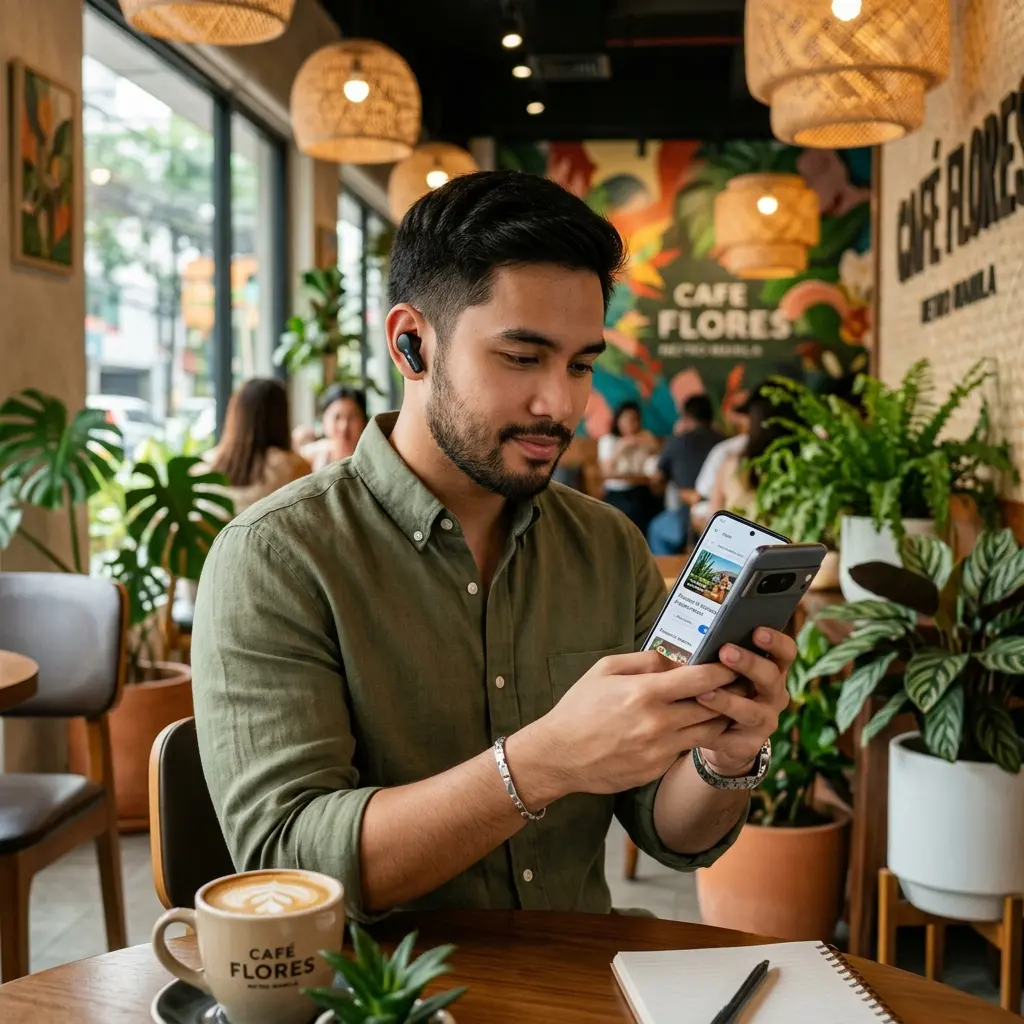
Imagine a caregiver in Israel working a graveyard shift, a seaman on a cargo ship in the middle of the Pacific Ocean, or a construction worker in Dubai. Homesickness, isolation, and loneliness are constant companions. In a foreign country where no one speaks your language or understands your cultural background, hearing a Filipino DJ talk about love, life, and relationships in Tagalog feels like a warm embrace from home.
Through streaming platforms like Pure Pinoy Radio, these comforting voices are accessible globally with a single click. There is no need for AM/FM receivers or complex shortwave setups. Based on our latest analytics, our listeners stay connected for an average of 12 minutes or longer per session. This high duration shows that online radio is not just background noise; it is an active companion during long hours of work, cleaning, or resting in a foreign land.
Conclusion: The Empathetic Heart of the Pinoy
Ultimately, the popularity of love advice and radio confession shows highlights the deep capacity of the Filipino soul for empathy. We know how to share in the joy of others, but more importantly, we know how to share in their grief. Our sensitive nature is not a weakness; it is the glue that binds our global community together.
So the next time you hear a caller crying on the radio during your late-night commute, take a moment to listen. Try to understand their journey. In every story of romantic failure, there is a lesson of resilience, and in every DJ’s advice, a reminder that love—no matter how painful—is always worth another try.
What is the most memorable radio confession you have ever heard? Did a DJ’s advice ever change the way you view your own relationships? We would love to hear your thoughts! Share your stories and connect with our growing community of music and radio lovers on the Pure Pinoy Radio Facebook Page. Let’s continue to listen, empathize, and heal together through the power of music and conversation.
With you through every beat, every tear, and every smile. Pure Pinoy Radio.