Music is the beating heart of the Filipino spirit. From the rhythmic strumming of guitars in a provincial harana to the electric energy of a sold-out concert in Manila, our connection to melody and lyricism runs deep. Original Pilipino Music—affectionately known to generations simply as OPM—is more than just a genre; it is a shared cultural heritage that chronicles the Filipino experience. It tells our stories of love, heartbreak, triumph, and resilience. But as the world shifts toward digital consumption, a profound question arises: How is the evolution of OPM unfolding in the age of streaming, and what does this mean for Filipino music discovery globally?
In this comprehensive exploration, we delve into the transformation of the Philippine music scene. We’ll examine the transition from cassette tapes and radio to digital streaming platforms, highlighting how these modern channels are not only preserving our musical legacy but also propelling fresh, independent talent onto the world stage.
The Golden Era: From Vinyl and Cassettes to Airwaves
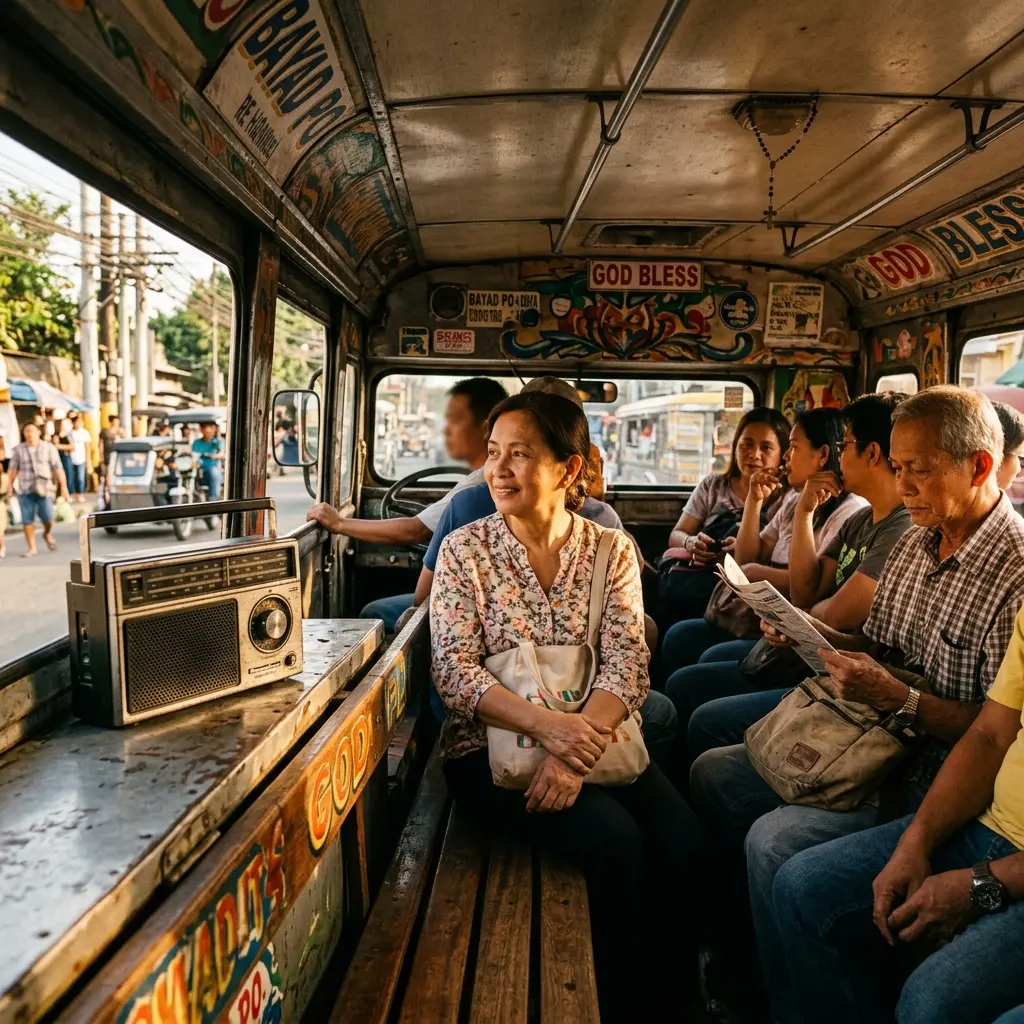
To understand the current digital renaissance, we must first look back. The 1970s and 1980s are often heralded as the Golden Age of OPM. Pioneers like the Manila Sound artists, the Apo Hiking Society, Rey Valera, and Freddie Aguilar crafted anthems that became the soundtrack of a nation. During this era, discovering music meant tuning in to your favorite local AM or FM radio station, waiting patiently for the DJ to spin the latest hit, and rushing to the nearest record store to buy a vinyl record or a cassette tape.
Kakaiba ang pakiramdam noon (The feeling was different back then). There was a tactile connection to the music. You had to physically flip the cassette tape to listen to side B. You memorized the lyrics by reading the liner notes included in the album sleeve. The radio DJ was the ultimate gatekeeper and tastemaker. If a song made it to the airwaves, it was destined to be a hit in every barangay (neighborhood) across the archipelago.
However, this traditional model had its limitations. Distribution was largely confined within the borders of the Philippines. For the millions of Overseas Filipino Workers (OFWs) and migrants living abroad, staying connected to the latest OPM hits was a challenge. They relied on care packages from home containing the latest plaka or cassette, or heavily rotated bootleg compilations passed around the community.
The Digital Shift: MP3s and the Rise of the Internet
As the late 90s and early 2000s rolled in, the digital revolution began to take hold. The introduction of MP3s and early peer-to-peer sharing platforms completely disrupted the global music industry, and the Philippines was no exception. While this era brought challenges related to piracy, it also democratized access to music.
Bands that emerged during the alternative rock boom of the 90s, such as Eraserheads, Rivermaya, and Parokya ni Edgar, found their music reaching farther and faster than ever before. Internet cafes sprouted on almost every street corner, and platforms like MySpace and YouTube became the new avenues for discovery.
Suddenly, an independent artist from Cebu or Davao could upload a track and have it heard by a Filipino living in California or Dubai within minutes. Nakakatuwa isipin na ang mundo ay lumiit dahil sa musika (It’s amazing to think that the world got smaller because of music). This was the first significant step toward a borderless OPM scene.
The Streaming Revolution: A Borderless OPM Scene
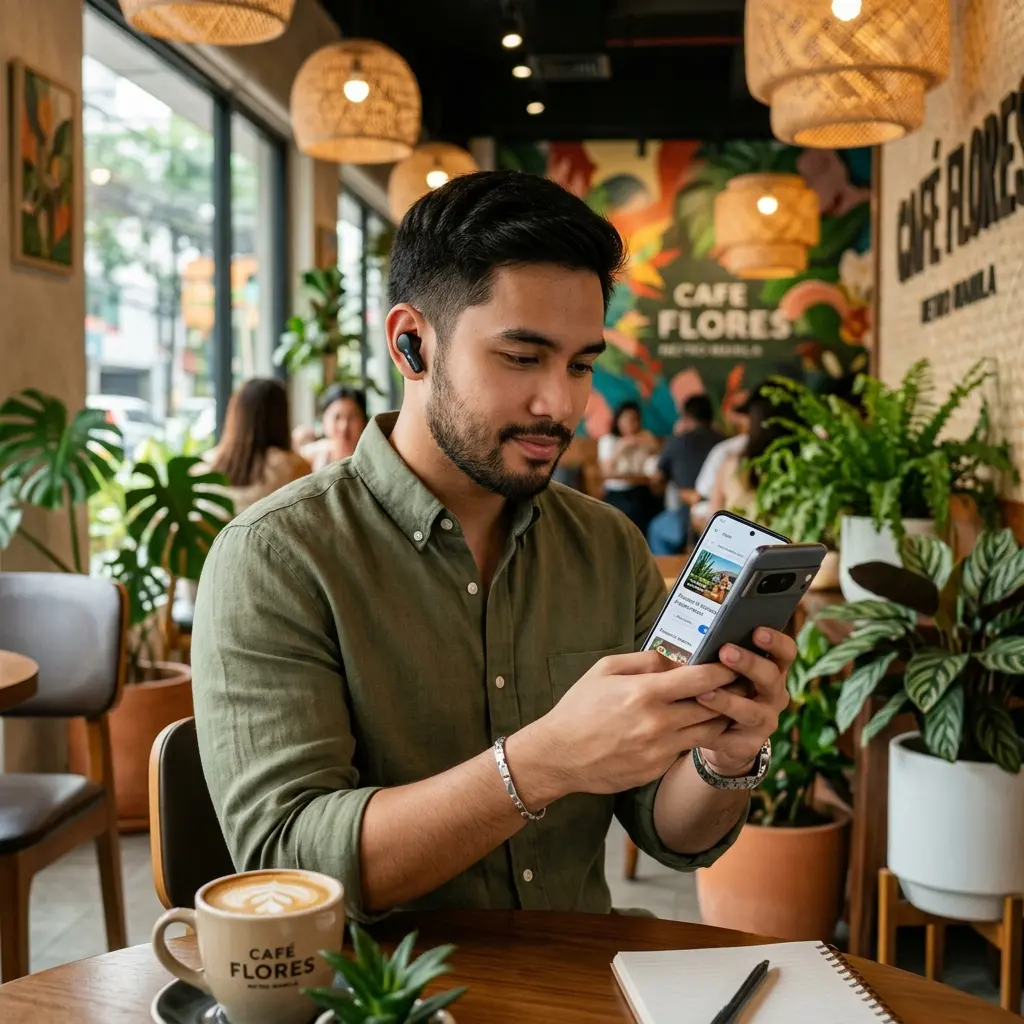
Today, we are firmly entrenched in the era of streaming. Platforms like Spotify, Apple Music, and dedicated internet radio stations have fundamentally changed how we consume music. For OPM, this shift has been nothing short of revolutionary. Streaming has broken down the geographical barriers that once confined Filipino music, creating a truly global audience.
1. The Democratization of Music Production and Distribution
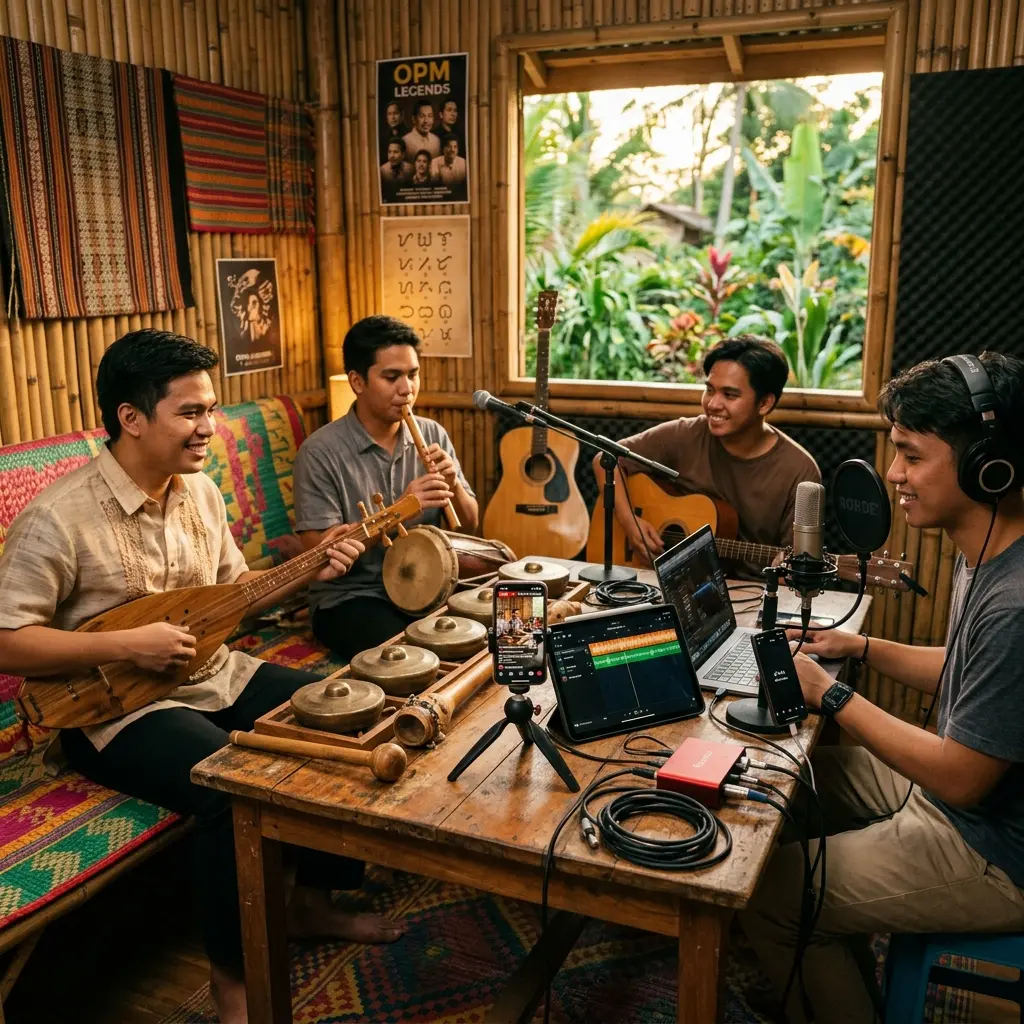
In the past, securing a record deal with a major label was the only viable path to success for a Filipino artist. The costs of studio time, physical production, and marketing were prohibitive for most. Today, the landscape is radically different. With a decent laptop, a microphone, and a basic understanding of digital audio workstations (DAWs), a talented musician can produce a studio-quality track from their bedroom in Quezon City.
More importantly, distribution aggregators allow these independent artists to upload their music directly to major streaming platforms. This democratization has led to an explosion of diverse voices and sub-genres within OPM. From indie-folk and electronic dance music to regional hip-hop (like the booming BisRap scene), the definition of OPM is expanding. It is no longer dictated solely by major labels in Manila; it is being shaped by independent artists across the entire country.
2. Algorithmic Discovery and Curated Playlists
One of the most powerful features of modern streaming platforms is algorithmic discovery. When a user listens to a popular OPM track, the algorithm suggests similar artists, seamlessly guiding the listener from a well-known mainstream act to an emerging independent artist.
Curated playlists have also become the new radio charts. Playlists like “Tatak Pinoy” or “OPM Rising” have millions of followers. Securing a spot on these playlists can launch an artist’s career overnight. It provides a level of exposure that was previously unimaginable. For the listener, it means a constant, effortless stream of new music tailored to their tastes. Wala nang kahirap-hirap maghanap ng bagong paboritong kanta (It’s no longer difficult to find a new favorite song).
3. Reconnecting the Global Diaspora
Perhaps the most profound impact of streaming is its ability to connect the global Filipino diaspora. There are over 10 million Filipinos living overseas. For these individuals, OPM is a vital tether to their homeland. It is the sound of comfort, nostalgia, and identity.
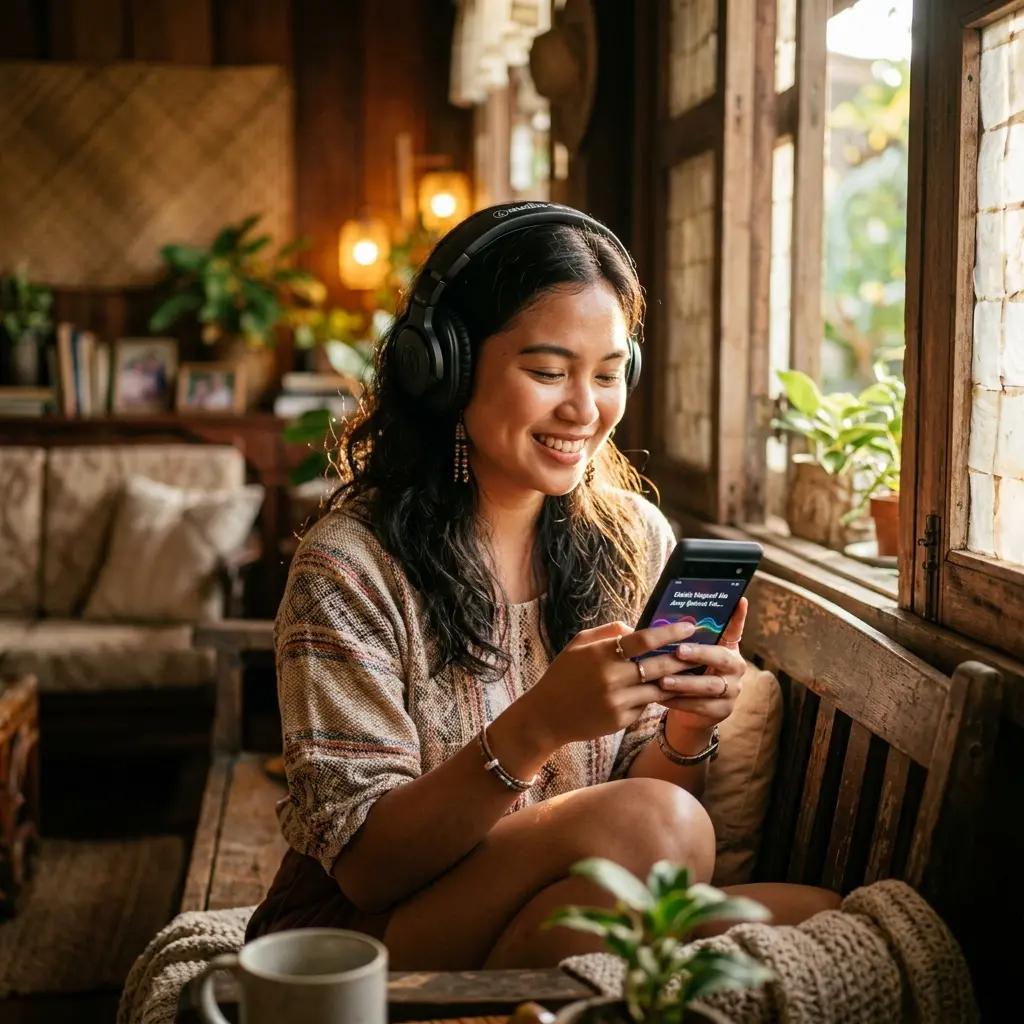
Through internet radio and streaming apps, an OFW in Saudi Arabia can listen to the exact same new release as their family in Pampanga, at the exact same moment. This shared cultural experience is incredibly powerful. It fosters a sense of community and belonging, bridging the physical distance through the universal language of music.
The Vital Role of Internet Radio: Curating the Culture
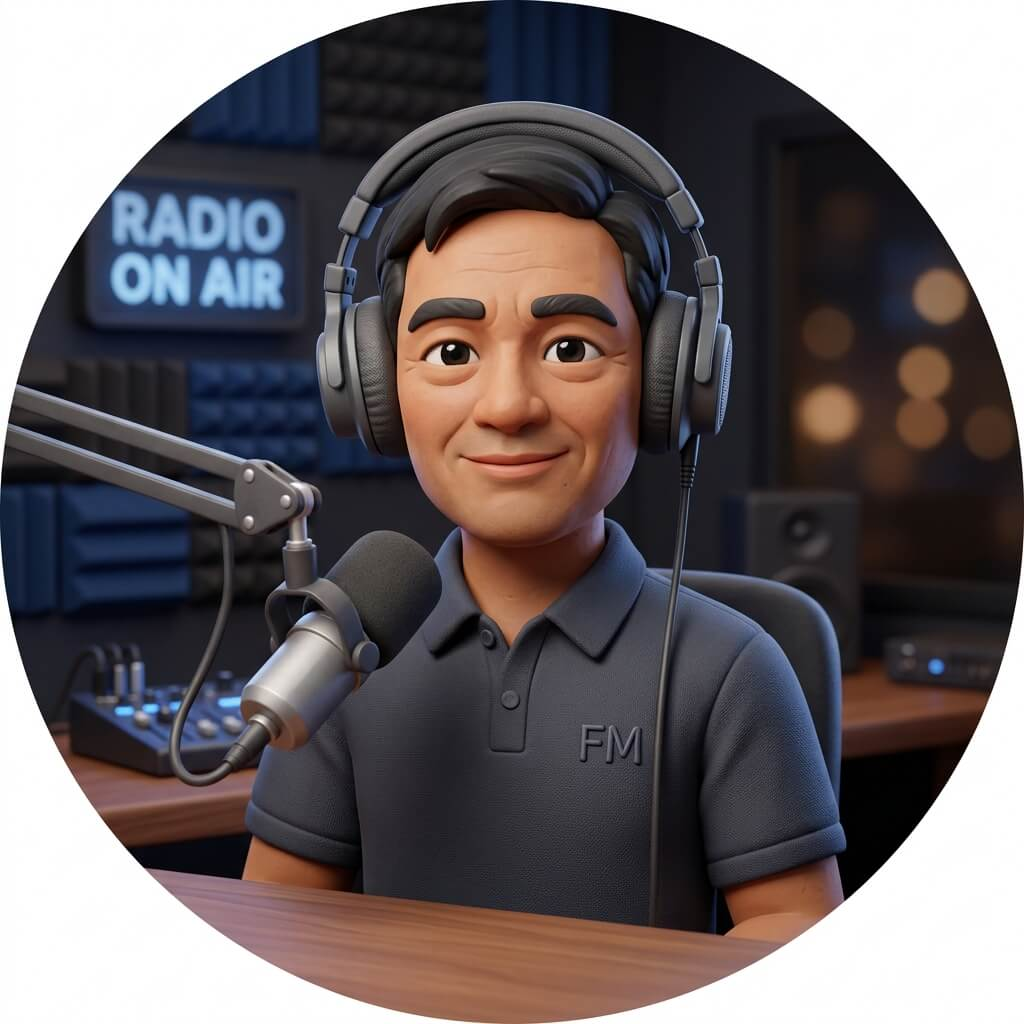
While algorithmic playlists on giant streaming platforms are fantastic for discovery, they often lack a crucial element: human connection and cultural curation. This is where dedicated internet radio stations play an indispensable role in the modern OPM ecosystem.
A platform like Pure Pinoy Radio is more than just a playlist on shuffle. It is a curated cultural experience. Internet radio provides the context that algorithms cannot. A knowledgeable DJ or a carefully crafted station format can weave a narrative, pairing a classic 90s rock anthem with a brand new indie track that shares the same thematic DNA.
Internet radio also champions the community aspect of music consumption. It creates a shared listening experience where audiences can interact, request songs, and feel part of a collective. For a Filipino living abroad, tuning in to a station that speaks their language, understands their cultural references, and plays the music that reminds them of home is an emotional anchor. It’s not just about hearing a song; it’s about feeling at home.
Stations that focus on niche genres or regional music (like dedicated Visayan or Ilocano channels) are particularly important. They ensure that the rich diversity of the Philippine musical landscape is preserved and celebrated, rather than being swallowed up by the mainstream algorithms.
The Future: What Lies Ahead for OPM?
The evolution of OPM is far from over. As technology continues to advance, we can expect even more exciting developments. The integration of artificial intelligence in music production, the rise of immersive spatial audio, and the potential for virtual reality concerts will all shape the future of how we experience Filipino music.
However, the core essence of OPM will remain unchanged. It will continue to be a reflection of the Filipino soul—passionate, melodious, and deeply emotional. The tools of discovery may have shifted from the transistor radio to the smartphone app, but the goal remains the same: to connect the listener with a song that resonates with their own life story.
Supporting the Next Generation
For OPM to continue to thrive in the streaming era, it requires the active support of the listeners. Here are a few ways we can ensure the continued growth of our music scene:
- Stream Local, Support Local: Make a conscious effort to explore new OPM artists. Dive deep into curated playlists and support independent musicians.
- Share the Music: If you discover a great new track, share it on your social media. Word-of-mouth is still one of the most powerful marketing tools for an artist.
- Attend Live Shows (When Possible): While streaming is the primary mode of consumption, the live music experience is irreplaceable. Supporting artists by attending their gigs and concerts is crucial for their livelihood.
- Tune in to Dedicated Platforms: Support platforms that champion Filipino music culture, like Pure Pinoy Radio, which are dedicated to keeping the OPM spirit alive and accessible to the world.
Conclusion
The journey of OPM from the scratchy grooves of a vinyl record to the crystal-clear streams of a digital app is a testament to the resilience and adaptability of Filipino artistry. Streaming has not diminished our music; it has amplified it, broadcasting the diverse sounds of the Philippines to every corner of the globe.
As we embrace this digital renaissance, let us celebrate the artists, the platforms, and the communities that keep the music playing. Whether it’s an old classic that brings back fond memories or a fresh track that defines the current moment, OPM continues to be the soundtrack of our lives. Mabuhay ang musikang Pilipino! (Long live Filipino music!)
To stay updated with the latest in OPM, discover new stations, and connect with our global community, be sure to follow the Pure Pinoy Radio Facebook page. Let’s keep the music playing together!